
Pickleball is incredibly easy to start playing, but choosing your first paddle can suddenly make this wonderfully simple sport feel like you're shopping for scientific equipment. Graphite? Carbon fiber? Lightweight? Thick core? Long handle? Relax. Your first pickleball paddle doesn't need to be the fanciest option on the court. It needs to feel comfortable, give you predictable control, and help you develop good fundamentals while you're learning the game.
Here's what new players should actually consider before choosing that all-important first paddle.
Start With Control, Not Maximum Power
Beginners are often attracted to paddles promising incredible power. That sounds fun until your first five drives introduce themselves to the back fence.
When you're learning pickleball, control is generally the more useful starting point. You want to develop consistency with serves, returns, dinks, drops, and volleys before worrying about generating maximum speed.
A forgiving paddle can make it easier to concentrate on technique instead of constantly trying to tame your equipment.
Think smooth and predictable before fast and furious.
Pay Attention to Paddle Weight
Weight has a major influence on how a paddle feels in your hand.
A lighter paddle can feel quick and maneuverable, especially during fast exchanges near the kitchen. A heavier option may provide additional stability and make generating pace feel easier, but too much weight can become tiring during longer games.
For your first pickleball paddle, prioritize something you can comfortably swing repeatedly without feeling like your arm is doing a workout all by itself.
If possible, hold or demo several paddles before deciding. Numbers and specifications are useful, but comfort is personal.
Grip Size Matters More Than Beginners Expect
Your paddle should feel secure without requiring you to squeeze the handle like you're hanging onto a roller coaster.
A grip that's too large may make wrist movement awkward. One that's too small may encourage excessive squeezing or feel unstable.
When holding the paddle naturally, your fingers should wrap comfortably around the handle without feeling cramped.
Remember, you can adjust a slightly small grip with an overgrip more easily than you can shrink a handle that's already too large.
Understand Paddle Shapes
Paddles come in different shapes, and each can influence how the paddle plays.
Standard Shapes
A traditional paddle shape generally provides a balanced combination of reach, maneuverability, and hitting area. That balance makes it a sensible starting point for many new players.
Elongated Shapes
Longer paddles can provide additional reach but may feel less forgiving to someone still developing consistent contact.
Widebody Shapes
A wider hitting surface can offer beginners a generous target area, which may help while developing hand-eye coordination.
There's no universal "best" shape. Your ideal pickleball paddle depends on comfort and how you naturally play.
Don't Get Lost in Paddle-Surface Terminology
You'll encounter materials such as graphite, carbon fiber, fiberglass, and composite constructions when researching paddles.
Those differences matter, but don't let technical terminology distract you from the basics.
As a first-time player, focus on three questions:
- Does the paddle feel comfortable?
- Can I control the ball consistently?
- Can I play for an extended period without unnecessary fatigue?
Your technique will influence your game far more than having the trendiest material printed on your paddle.
Think About the Paddle's Core
Core construction affects feel, feedback, and how the ball responds at contact.
Rather than obsessing over engineering specifications for your first paddle, look for a forgiving setup that gives you consistent feedback across a reasonably generous hitting area.
As your pickleball skills develop, you'll better understand whether you prefer more power, additional touch, a different shape, or specialized spin characteristics.
Your first paddle doesn't have to be your forever paddle. In fact, discovering what you eventually want is part of the fun.
Avoid Buying Solely Based on Appearance
Yes, your paddle can look fantastic.
But don't choose your first one because the color perfectly matches your shoes.
A good beginner paddle should prioritize:
- Comfortable weight
- Appropriate grip
- Reliable control
- A forgiving hitting area
- Comfortable overall feel
Once those boxes are checked, go ahead and pick the coolest color.
Style still counts. We're playing a sport, not filing taxes.
Borrow or Demo Before Buying When Possible
One of the easiest ways to understand paddle differences is simply to play with them.
If friends or local players have different styles, ask whether you can hit a few balls with their paddles. Pay attention to how easily you can control dinks, serves, returns, and volleys.
You'll quickly discover that what sounds impressive on paper doesn't always feel right in your hand.
Give Yourself Time to Adjust
Don't decide you purchased the wrong paddle after three missed shots.
Changing equipment takes adjustment. Spend several sessions learning how your paddle responds before making a judgment.
More importantly, practice your fundamentals.
Good positioning, smart shot selection, consistent contact, and patient decision-making will take you much further than constantly searching for magical equipment.
Your First Paddle Should Make Pickleball More Fun
That's ultimately the most important rule.
Your first paddle should encourage you to get back on the court.
You don't need professional-level equipment to enjoy pickleball. You need something comfortable and dependable that allows you to concentrate on learning, laughing, improving, and probably becoming slightly obsessed with getting back to the kitchen line.
The advanced equipment decisions can come later.
Pickleball Gift Ideas for New Players
If someone in your life has recently discovered the sport, building a small pickleball gift bundle can be a fun way to welcome them to the community.
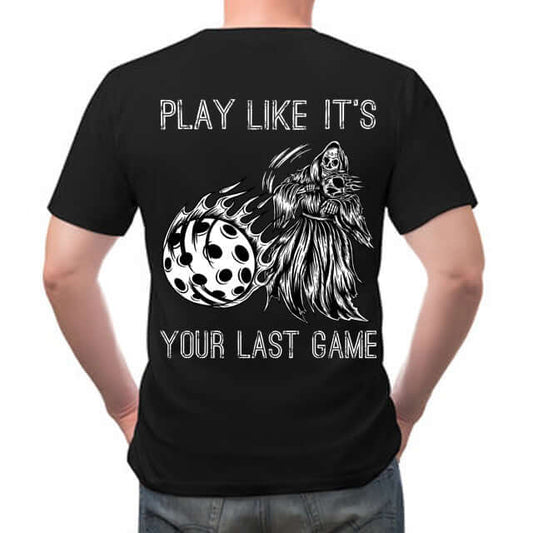
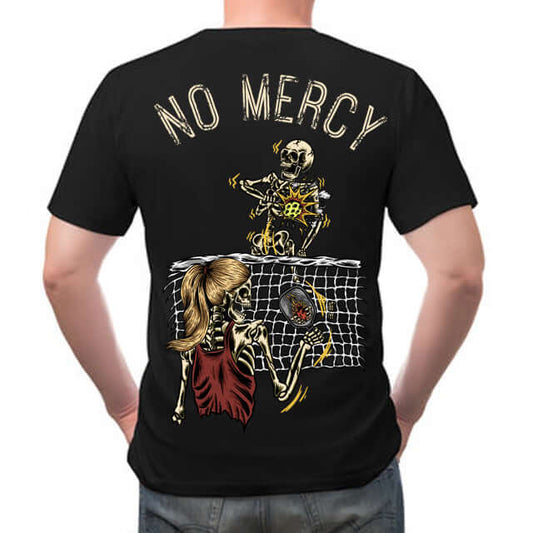
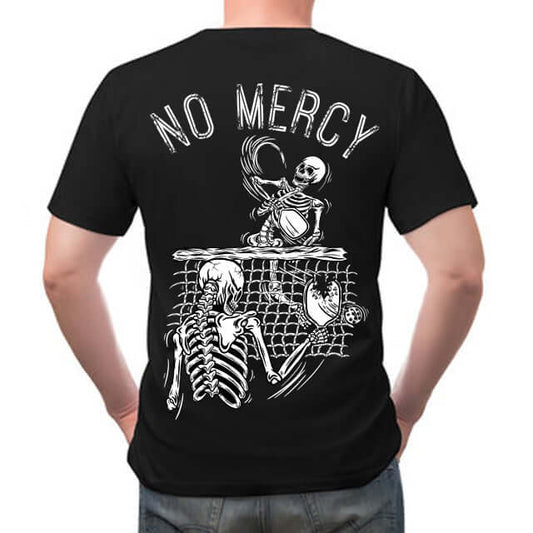
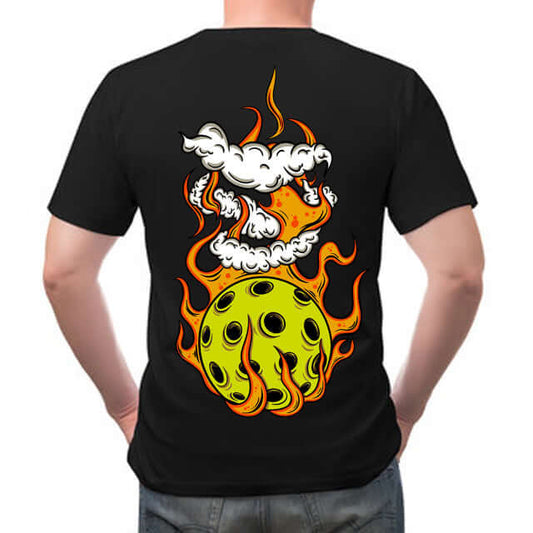
Pair their new paddle with practical or personality-driven extras such as balls, accessories, and pickleball-themed apparel. Clothing is particularly easy to gift because players can enjoy it at the court, during warmups, or simply as casual everyday wear.
RND Streetwear: Pickleball Gift Ideas With Personality
For players who want to bring their love of the game beyond their paddle, RND Streetwear offers pickleball-themed clothing and apparel for fans of the sport.
The collection makes a fun addition when you're putting together pickleball gift ideas for beginners, regular playing partners, friends, family members, or that person who mentioned trying the sport once and somehow now plays four times a week.
Whether you're shopping for a first-time player or simply adding some pickleball personality to someone's wardrobe, explore the RND Streetwear collection here:
Explore RND Pickleball Clothing, Apparel & Streetwear
Your first paddle helps you learn the game. Your enthusiasm is what keeps you coming back.